How Custom Clothing Is Made: From Design to Bulk Production
Creating a successful clothing collection involves much more than sending a design to a factory and waiting for the finished garments. Every product must go through several important stages, including design review, fabric sourcing, pattern development, sampling, bulk production and quality inspection.
Understanding the custom clothing manufacturing process can help fashion brands communicate more effectively with their suppliers, reduce development mistakes and keep production on schedule.
At Guangzhou Chanrol Apparel Co., Ltd., we support international brands throughout the entire process, from an initial product idea to finished garments ready for delivery.
Step 1: Product Design and Requirement Review
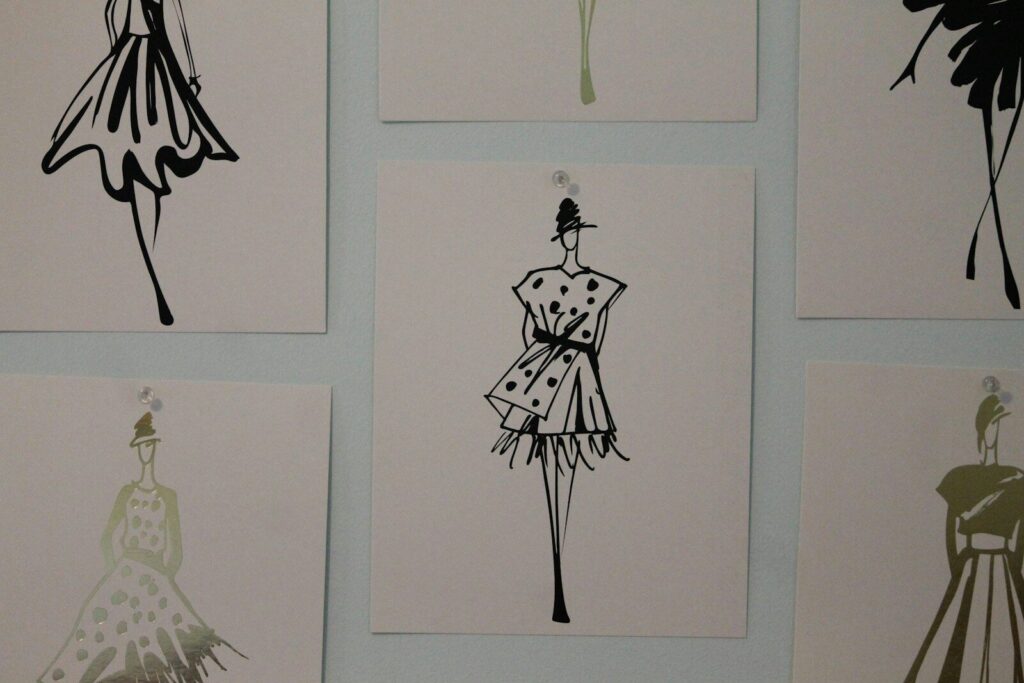
The process normally begins when the customer sends the manufacturer a technical pack, design drawing, reference garment or product image.
A complete technical pack may include:
Front and back garment drawings
Fabric composition and weight
Garment measurements
Size chart
Construction details
Printing or embroidery artwork
Label and packaging requirements
Color references
Order quantity and size breakdown
Not every brand has a professional technical pack. Emerging brands may only have a design image, a reference sample or an initial idea.
In these situations, an experienced custom clothing manufacturer can help organize the product requirements and identify the information needed before sampling.
At Chanrol, we review the design, fabric, measurements, workmanship and decoration requirements before beginning development. If any details are unclear, we communicate with the customer to confirm them before proceeding.
Step 2: Fabric and Trim Sourcing
Fabric is one of the most important elements of a garment. It affects the product’s appearance, comfort, fit, durability and final price.
When sourcing fabric, the manufacturer considers:
Fiber composition
Fabric weight
Stretch and recovery
Surface texture
Hand feel
Shrinkage
Colorfastness
Available colors
Minimum order quantity
Production lead time
For example, a streetwear T-shirt may require heavyweight cotton jersey with a firm hand feel, while activewear may require a lightweight fabric with stretch and moisture-management properties.
Trims must also be sourced or developed. These may include zippers, buttons, drawcords, elastic, snap fasteners, woven labels, care labels, hangtags and packaging bags.
If custom-dyed fabric or specially developed trims are required, the minimum order quantity and lead time may be higher than for readily available materials.
A reliable manufacturer should explain these requirements before the customer confirms the order.
Step 3: Pattern Making
After the product details are confirmed, the pattern maker creates the garment pattern.
A pattern determines the shape, fit and construction of the finished product. Even when two garments have similar measurements, differences in shoulder slope, armhole shape, sleeve construction, rise or leg shape can create a very different fit.
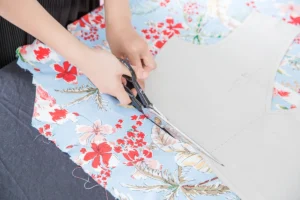
Patterns may be developed from:
A customer’s measurement chart
A physical reference sample
An existing approved pattern
A standard factory block
A design drawing with detailed specifications
The pattern maker must also consider fabric stretch, shrinkage, seam construction and garment washing.
If the fabric is expected to shrink after washing, the pattern may need to include the correct shrinkage allowance before cutting.
Step 4: Sample Development
The first physical sample allows the brand to review how the design works as an actual garment.
During sample development, the factory cuts the fabric, prepares the decoration and sews the garment according to the confirmed requirements.
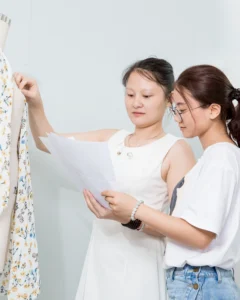
The customer should review:
Overall fit and silhouette
Garment measurements
Fabric weight and hand feel
Color
Stitching and construction
Print or embroidery size
Logo position
Trims and accessories
Labels and packaging details
It is common for the first sample to require adjustments. The customer may request changes to the garment length, chest width, neckline, sleeve shape, pocket position or logo size.
Clear and specific comments help the manufacturer make accurate revisions. Photographs, measurement comparisons and marked drawings are particularly useful.
Step 5: Fit Revision and Approval
Once the customer provides comments, the pattern and sample are revised.
Depending on the complexity of the garment, there may be more than one sample round. A simple T-shirt may need only minor measurement adjustments, while a structured jacket or fashion dress may require several revisions.
The goal is to confirm the garment’s fit, fabric, construction and appearance before bulk production.
When reviewing a revised sample, the customer should check whether all previous comments have been followed. Any additional changes should be confirmed in writing.
After the sample is approved, it becomes an important reference for bulk production.
Step 6: Pre-Production Confirmation
Before bulk cutting begins, the manufacturer confirms all final production details.
These normally include:
Approved sample
Final measurement chart
Fabric and color
Printing or embroidery artwork
Labels and hangtags
Trims and accessories
Order quantity
Size breakdown
Packing method
Delivery requirements
For products with custom colors, lab dips or fabric swatches may need to be approved. Printed or embroidered products may also require a strike-off or embroidery sample before production.
This stage is important because changes made after bulk fabric has been cut can cause delays, additional costs or material waste.
Step 7: Fabric Relaxing and Shrinkage Control
Some fabrics need to be relaxed before cutting. Fabric rolls can develop tension during knitting, dyeing and transportation. If the material is cut immediately after being opened, the garment measurements may change later.
The fabric is therefore opened and allowed to rest under controlled conditions.
Shrinkage testing may also be conducted before production. The manufacturer washes a fabric sample and measures the difference before and after washing.
The test results help the pattern maker determine whether additional shrinkage allowance is required.
This process is particularly important for cotton jersey, French terry, fleece and garments that will receive a washing or dyeing treatment.
Step 8: Bulk Cutting
After the fabric is inspected and relaxed, it is spread in layers and prepared for cutting.
The cutting team follows the approved pattern and marker plan. Proper marker planning helps improve fabric utilization and reduce waste.
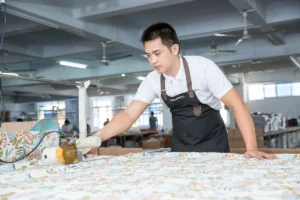
During cutting, the factory should check:
Fabric direction
Color consistency
Pattern alignment
Cutting accuracy
Size identification
Defects in the fabric
The cut garment pieces are then bundled according to style, color and size before being transferred to printing, embroidery or sewing.
Step 9: Printing and Embroidery
If the garment includes a logo or decorative artwork, the relevant pieces may be printed or embroidered before sewing.
Common decoration options include:
Screen printing
Puff printing
High-density printing
Direct-to-garment printing
Heat-transfer printing
Flat embroidery
3D embroidery
Appliqué embroidery
Chenille embroidery
Chain-stitch embroidery
The manufacturer must select a technique that is compatible with the fabric and artwork.
For example, very small details may not be suitable for thick puff printing, while heavy embroidery may cause distortion on lightweight fabric. Dark polyester fabrics may also require special printing methods to reduce dye migration.
Before bulk production, the customer should approve the artwork size, color and placement.
Step 10: Garment Sewing
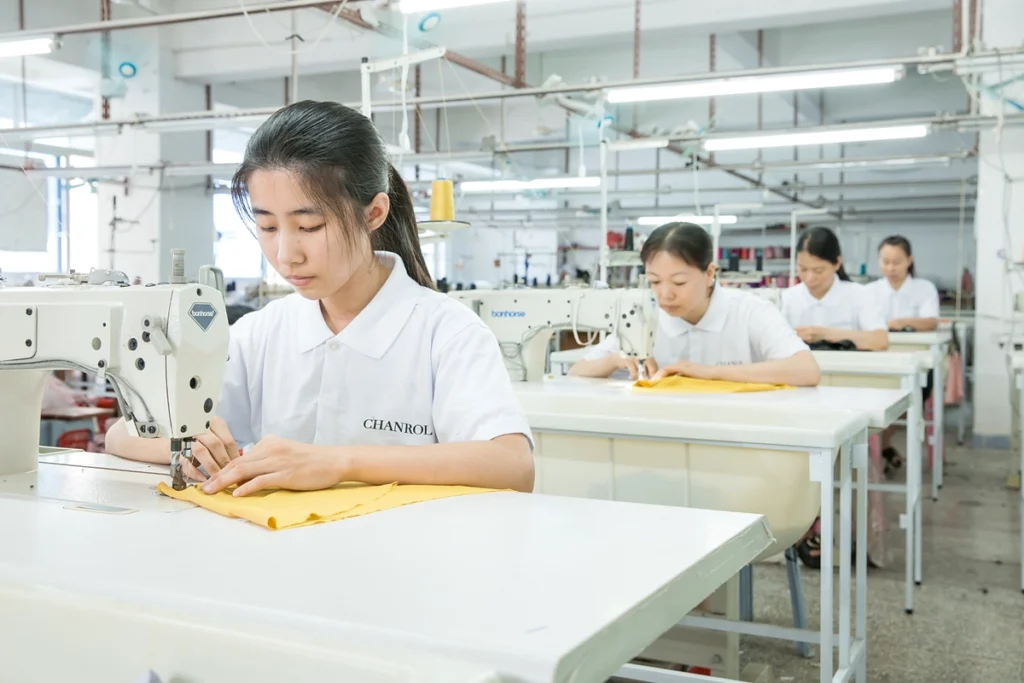
The cut pieces are assembled on the sewing line.
The required sewing operations depend on the garment type. A basic T-shirt may have relatively few sewing steps, while a jacket with lining, pockets and zippers requires more specialized workmanship.
During production, in-line quality inspectors check:
Seam construction
Stitch density
Measurement accuracy
Pocket and trim placement
Matching of garment panels
Sewing defects
Overall workmanship
Finding problems during sewing allows the production team to correct them before the entire order is completed.
Step 11: Finishing and Final Inspection
After sewing, the garments move to the finishing department.
Finishing may include:
Thread trimming
Stain removal
Button or snap installation
Garment pressing
Measurement checking
Metal detection when required
Folding and packaging
The final inspection compares the production garments with the approved sample and specification.
Inspectors check workmanship, measurements, colors, decoration, labels and packaging. Defective garments should be repaired or removed before shipment.
Customers may also arrange a third-party inspection if their quality-control policy requires independent verification.
Step 12: Packing and International Shipping
Once the garments pass inspection, they are folded and packed according to the customer’s requirements.
Packing instructions may specify:
Individual polybags
Size stickers
Hangtags
Barcode labels
Carton quantities
Carton markings
Assortment ratios
The completed order can then be shipped by express courier, air freight, sea freight or DDP service.
The most suitable method depends on the shipment size, delivery deadline, destination and budget. Brands should discuss shipping options early because freight costs and transit times can vary significantly.
How Long Does Custom Clothing Production Take?
The total lead time depends on the garment, materials, customization and order quantity.
The process generally includes time for:
Fabric and trim sourcing
Pattern development
Sample production
Sample revisions
Material preparation
Bulk production
Quality inspection
International transportation
Custom fabrics, special trims and complicated decoration techniques usually require more time than readily available materials.
Brands should also allow sufficient time for sample review and approval. Delayed feedback or design changes made after approval can affect the final delivery date.
Working With Chanrol on Your Next Collection
Guangzhou Chanrol Apparel Co., Ltd. provides custom clothing development and manufacturing services for international fashion brands, streetwear labels and merchandise customers.
Our main product categories include:
T-shirts and tank tops
Hoodies and sweatshirts
Sweatpants and shorts
Men’s knitwear and streetwear
Women’s dresses, tops, skirts and pants
Custom printed and embroidered apparel
Private-label clothing
We can work from technical packs, design drawings, reference samples or detailed product concepts.
Our team assists with fabric sourcing, pattern making, sampling, printing, embroidery, bulk production, quality inspection and shipping coordination.
A clear and structured manufacturing process helps transform a creative idea into a commercially successful product. If you are developing a new clothing collection, contact Guangzhou Chanrol Apparel Co., Ltd. to discuss your designs, quantities and production requirements.