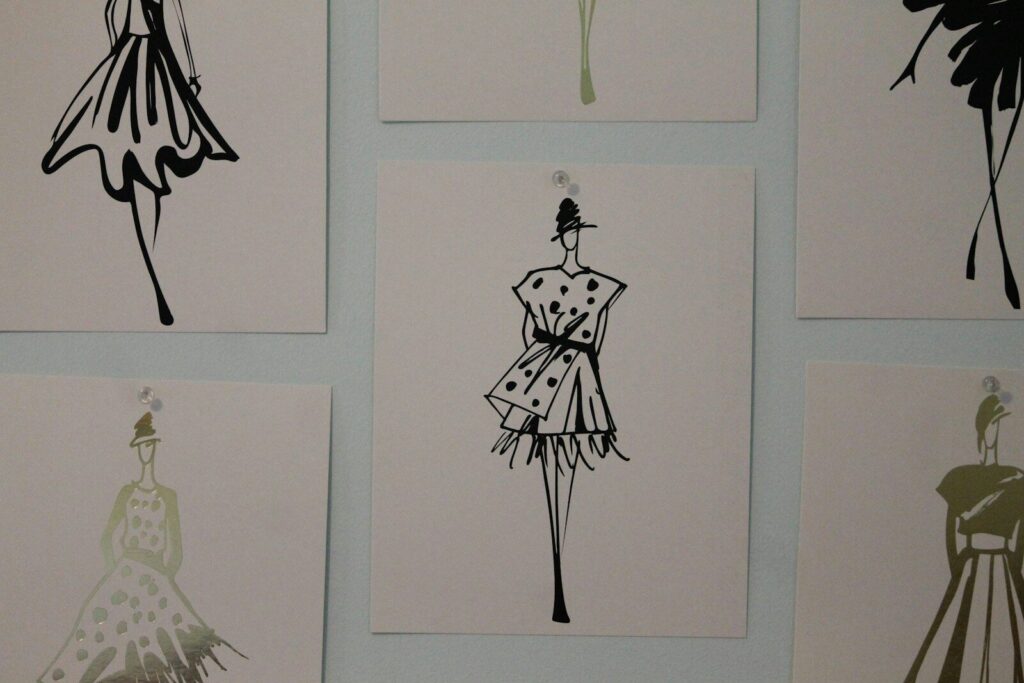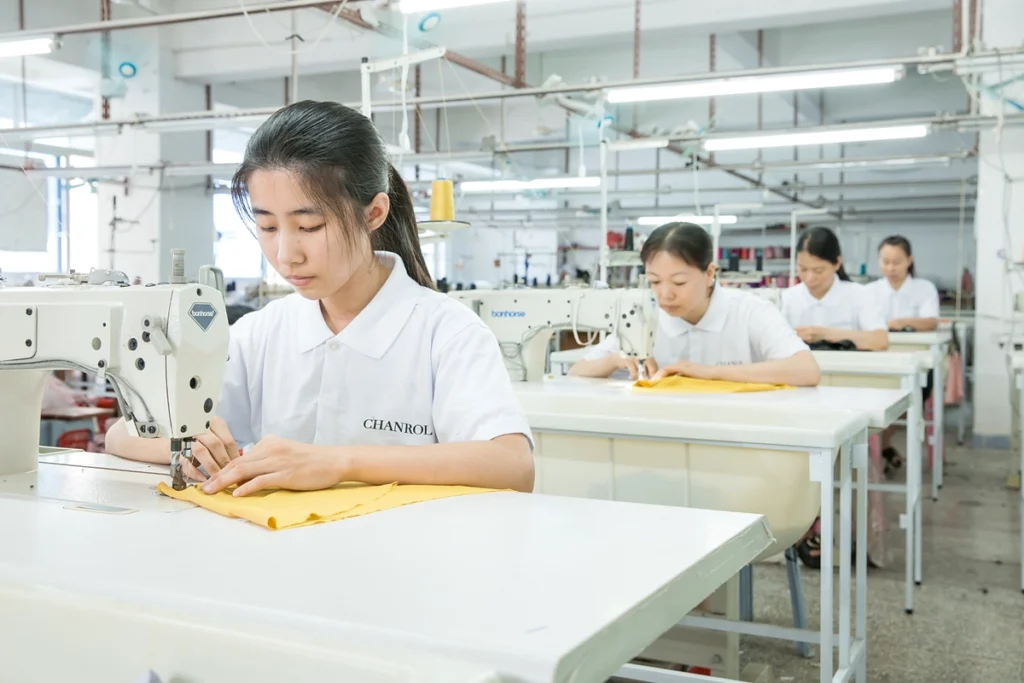
Choosing the right clothing manufacturer is one of the most important decisions for any fashion brand. Your manufacturer affects product quality, delivery times, pricing, customer satisfaction, and ultimately your brand’s reputation.
For American and European clothing brands, sourcing internationally can provide access to skilled production teams, a wide range of fabrics and garment techniques, and flexible product development. However, not every factory will be suitable for every brand. The best partner is not simply the manufacturer offering the lowest price—it is the one that can consistently turn your ideas into commercially viable garments.
This guide explains how to choose a clothing manufacturer, what questions to ask, and which warning signs to watch for before placing an order.
1. Define Your Product Before Contacting Manufacturers
Before requesting quotations, prepare a clear description of what you want to produce. A manufacturer cannot give an accurate price or lead time if the product information is incomplete.
Ideally, you should provide a tech pack containing:
- Technical drawings or clear reference images
- Fabric composition and target weight
- Garment measurements and size specifications
- Color references or Pantone numbers
- Logo artwork and decoration details
- Labels, hangtags, and packaging requirements
- Expected order quantity by style, color, and size
- Required delivery date and destination
If you do not yet have a complete tech pack, look for a manufacturer with product-development experience. A capable team should be able to review your references, identify missing information, recommend practical construction methods, and help you prepare the style for sampling.The clearer the product brief, the more accurately you can compare suppliers.
2. Choose a Manufacturer With the Right Product Experience
Clothing factories often specialize in particular categories. A factory that produces basic T-shirts may not be the best choice for tailored dresses, technical outerwear, washed denim, or garments with complex embroidery.
Ask potential manufacturers about their experience with products similar to yours. Important areas to compare include:
- Knitwear versus woven garments
- T-shirts, hoodies, sweatshirts, and casualwear
- Dresses, tops, skirts, pants, and fashion collections
- Jackets, denim, and outerwear
- Screen printing, puff printing, appliqué, embroidery, and specialty finishes
- Garment dyeing, washing, and fabric treatments
Request photos or physical examples that demonstrate relevant construction and decoration techniques. Instead of judging a supplier by a large general portfolio, focus on whether it has successfully produced garments with similar fabrics, details, and quality expectations.
At Guangzhou Chanrol Apparel Co., Ltd., we work with international clothing brands on custom knit and woven apparel, supporting projects from fabric sourcing and sample development through bulk production and final inspection. This type of end-to-end support is especially useful for brands developing several styles or using multiple garment techniques.
3. Understand the Manufacturer’s MOQ
MOQ means minimum order quantity. It may be calculated per style, per color, or per fabric—not only by the total number of garments in an order.
For example, a supplier may accept 300 pieces per style but require at least 150 or 200 pieces per color. Custom-dyed fabric, printed labels, packaging, zippers, and other trims may each have separate minimum quantities.
When discussing MOQ, ask:
- Is the MOQ based on the style, color, or total order?
- Can sizes be mixed within each color?
- Are there separate minimums for custom fabric or trims?
- Will the unit price change for a smaller quantity?
- Can leftover fabric be used for a repeat order?
Very low MOQs can be attractive to startup brands, but they often result in higher unit costs and fewer customization options. Choose an order quantity that allows you to test demand while still supporting stable fabric sourcing and production quality.
4. Evaluate Sampling and Product Development
Sampling shows how well a manufacturer understands your requirements before you commit to bulk production. A good sample process should include more than simply sewing one garment.
Depending on the project, the development process may include:
- Fabric and trim sourcing
- Pattern development
- Prototype or development sample
- Fit sample and measurement review
- Color, print, or embroidery approval
- Pre-production sample
- Size-set sample when required
Ask how many revisions are normally needed, how feedback should be submitted, and whether approved samples will be used as the production standard.
Pay close attention to how the supplier handles sample comments. Reliable manufacturers should confirm unclear points, explain construction limitations, and recommend solutions. If a factory repeatedly ignores measurements or changes details without approval, the same problems may appear in bulk production.
5. Check Quality Control Procedures
Quality should be managed throughout production rather than checked only after the garments are finished.
A reliable clothing manufacturer should have controls for:
Fabric inspection before cutting
Shrinkage, colorfastness, and wash testing when applicable
Pattern and measurement verification
Print and embroidery approval
In-line sewing inspection
Finished garment measurement checks
Final appearance and workmanship inspection
Needle detection or other safety checks when required
Packing quantity and carton verification
Ask whether the manufacturer follows an AQL inspection standard and whether you can arrange a third-party inspection before shipment. You should also confirm how defective goods, measurement problems, or production mistakes will be handled.For the first order, approving a pre-production sample and arranging a final inspection can significantly reduce risk.
6. Assess Communication and Transparency
Good communication is often as important as technical ability. Apparel production involves many details, and unresolved questions can quickly become expensive mistakes.
During the quotation and sampling stages, evaluate whether the supplier:
Replies clearly and within a reasonable time
Lists assumptions instead of hiding missing information
Confirms changes in writing
Provides photos or videos when problems arise
Gives realistic timelines
Explains potential risks before production
Assigns a consistent contact person to your account
A trustworthy manufacturer will not automatically agree to every request. It should tell you when a construction detail is impractical, a deadline is unrealistic, or a material may not meet the intended performance standard.
Clear, honest communication is particularly important when you work across different countries and time zones.
7. Compare Quotations Correctly
The lowest quotation is not always the lowest final cost. Before comparing prices, make sure every supplier is quoting the same specifications.
Confirm whether the quotation includes:
Fabric and trims
Printing, embroidery, or washing
Main labels, care labels, and size labels
Hangtags and individual packaging
Sample charges
Testing or inspection fees
Export cartons
Shipping, duties, and taxes
You should also understand the trade term being used, such as EXW, FOB, CIF, or DDP. A low EXW price may appear attractive but exclude local transport, export handling, freight, customs duties, and delivery to your warehouse.
Rather than comparing only the unit price, calculate the expected landed cost per garment.
8. Confirm Production Capacity and Lead Time
Ask the manufacturer how long each stage will take, including fabric sourcing, sampling, bulk material preparation, production, inspection, and shipping.
A typical timeline may be affected by:
Custom fabric knitting or dyeing
Printed or specially developed fabric
Custom zippers, buttons, and trims
Complex embroidery or printing
Order quantity and factory workload
National holidays and peak production seasons
Required laboratory testing
Be cautious if a supplier promises an unusually short lead time without reviewing your specifications. A realistic schedule with clear milestones is more valuable than an optimistic promise that cannot be maintained.
Also ask what happens if your quantity increases after sample approval. For growing brands, the ability to support repeat orders and larger volumes is an important part of a long-term partnership.
9. Review Compliance and Testing Requirements
American and European brands may need to meet regulations relating to fiber content, care labeling, flammability, chemical substances, product safety, and children’s products.
Requirements depend on the product and destination market, so clarify responsibility for:
Fiber-content and care labels
Country-of-origin labeling
Restricted-substance requirements
Children’s product testing and certification
Flammability testing where applicable
Traceability information
Factory or social-compliance audits requested by retailers
Do not assume that every certificate applies to every product. Ask for documentation relevant to your actual garment category, material, customer, and destination market. When necessary, use an accredited third-party laboratory or compliance specialist.
10. Verify the Manufacturer Before Paying a Deposit
Before beginning a major order, conduct basic due diligence. You can request:
The supplier’s registered company name and business license
Factory address and production photos or videos
A live video call from the production floor
References or examples of exported products
Bank details matching the contracting company
A written quotation or proforma invoice
Clear payment, quality, and delivery terms
If possible, visit the factory or appoint a third party to perform an audit. For a new supplier, begin with samples or a manageable trial order before increasing volume.
Watch for warning signs such as pressure to make immediate payment, unexplained changes to bank details, inconsistent company information, copied product images, or a refusal to show production facilities.
11. Look for a Long-Term Manufacturing Partner
The right manufacturer should help your brand improve over time. As the relationship develops, the supplier becomes familiar with your fit standards, fabrics, packaging, quality expectations, and delivery requirements.
Strong manufacturing partnerships can provide:
Faster and more accurate sample development
Better production planning
More consistent quality across repeat orders
Early warning about material or scheduling risks
Suggestions for cost-effective construction
Support for new techniques and product categories
More reliable growth from small orders to larger production runs
Price remains important, but consistency, accountability, and problem-solving ability create greater long-term value.
Questions to Ask a Clothing Manufacturer
Before selecting a supplier, ask these essential questions:
- What garment categories do you specialize in?
- What is your MOQ per style and per color?
- Can you source custom fabrics and trims?
- How long does sampling and bulk production take?
- What information do you need for an accurate quotation?
- What quality-control procedures do you use?
- Can you arrange fabric or garment testing?
- Can you provide production photos, videos, or a factory audit?
- What are your payment and shipping terms?
- How do you handle defects, delays, or production mistakes?
The quality of the supplier’s answers will tell you a great deal about its experience and reliability.
Frequently Asked Questions
How do I find a reliable clothing manufacturer?
Start with manufacturers that specialize in your product category. Review their samples, verify their business information, ask about quality control, and begin with a development sample or trial order. Clear communication and transparent production procedures are strong indicators of reliability.
What is a reasonable MOQ for custom clothing?
MOQ varies according to the garment, fabric, color quantity, and customization level. Custom-dyed materials and specialized trims normally require higher quantities than stock fabrics and standard components. Always confirm whether the MOQ applies per style or per color.
Should I choose a local or overseas clothing manufacturer?
Local manufacturing may offer easier visits and shorter transport times. Overseas manufacturing may provide broader sourcing options, specialized techniques, and competitive production costs. The better choice depends on your quantity, product complexity, target price, timeline, and quality requirements.
How long does custom clothing production take?
The total timeline includes product development, sample approval, fabric preparation, bulk production, inspection, and shipping. Simple repeat orders may move faster, while custom fabrics, complex techniques, and new patterns require additional time. Ask for a stage-by-stage schedule before placing the order.
Do I need a tech pack?
A professional tech pack is highly recommended because it reduces misunderstandings and improves quotation accuracy. If you do not have one, choose a manufacturer that can help develop specifications from sketches, measurements, and reference samples.
Conclusion
Learning how to choose a clothing manufacturer is about balancing quality, capability, communication, cost, and reliability. Define your product clearly, compare suppliers using the same specifications, test the sampling process, and verify quality and compliance procedures before placing a large order.
Guangzhou Chanrol Apparel Co., Ltd. supports American and European clothing brands with custom garment development, fabric and trim sourcing, sampling, printing and embroidery, bulk production, quality control, and international shipping coordination. Whether you are developing a new collection or looking for a more dependable manufacturing partner, our team can review your design requirements and provide practical production recommendations.
Contact Guangzhou Chanrol Apparel Co., Ltd. to discuss your next custom apparel project or request a quotation.